Commercial Mortgage Broker for Apartment Buildings vs Lender
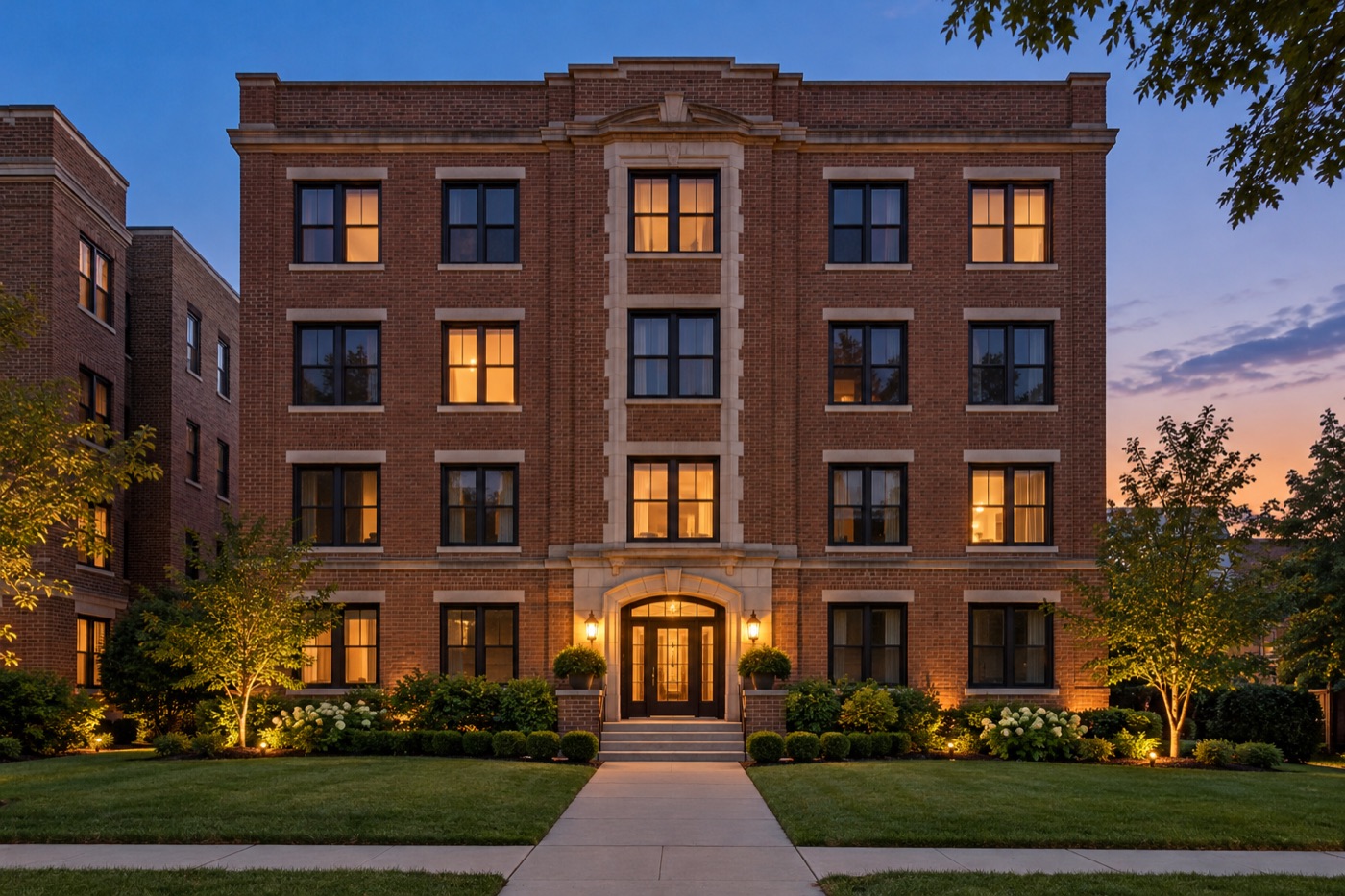
Use a commercial mortgage broker for apartment buildings when your loan is hard to place, tied to a deadline, or large enough that small differences in terms add up, and go straight to a lender when one you trust has already put workable terms in writing. The choice matters most when a loan is coming due. The Mortgage Bankers Association reported in February 2026 that thirteen percent of mortgages backed by multifamily properties were scheduled to mature in 2026, and the prepayment, recourse and reserve terms you sign on the replacement loan will decide what it costs you to sell or refinance later.
Key points
- A broker puts offers from several kinds of lenders side by side. A direct lender quotes its own programs.
- Apartment debt is spread across many lender types. MBA data for the second quarter of 2026 put agency and GSE holders at 50% of multifamily mortgage debt and banks and thrifts at 29%.
- The rate is one line of an offer. Over a short hold, a prepayment premium can cost more than a lower rate saves.
Broker or direct lender: how do they compare?
| Commercial mortgage broker | Direct to one lender | |
|---|---|---|
| Offers you see | Several lender types, compared on the same loan amount and term | One lender's programs |
| Who runs the outreach | The broker, using your documents | You, one lender at a time |
| Cost | A broker fee, set in writing before any lender sees your file | No broker fee. The lender's own fees still apply |
| Your time | You supply documents and answer underwriting questions | The same documents and questions, plus every lender conversation |
| Who approves the loan | The lender | The lender |
| Main risk | A broker who doesn't know apartment lending, or fee terms that aren't clear | A better structure you never saw |
| Best fit | Maturing loans, lease-ups, renovations, changed income, a declined request, a short deadline | A simple deal and a lender whose written terms already work |
Verdict: if a lender you trust has already given you written terms that fit your hold period and your cash, going direct is reasonable, and a broker may only confirm what you have. If you face a deadline, have a harder story to tell, or hold a single offer you can't judge against anything, a broker's side-by-side comparison is what the fee pays for.
Going direct doesn't have to mean one lender. You can request terms from several lenders yourself and line them up. A broker does that work for you.
Why does one lender's answer tell you so little?
Apartment loans come from several kinds of lenders, each with its own rules. Here is who held U.S. multifamily mortgage debt in the second quarter of 2026, from the Mortgage Bankers Association:
| Holder (MBA, Q2 2026) | Multifamily debt held | Share |
|---|---|---|
| Agency and GSE portfolios and MBS | $1.2 trillion | 50% |
| Banks and thrifts | $668 billion | 29% |
| Life insurance companies | $269 billion | 12% |
| State and local government | $99 billion | 4% |
| CMBS, CDO and other asset-backed issues | $75 billion | 3% |
These are balances outstanding, not this year's new loans, so the table doesn't tell you who will lend on your building. It does show that the bank you already use is one kind of lender among several.
Banks don't all move together, either. In the Federal Reserve's July 2026 Senior Loan Officer Opinion Survey, which generally covers the second quarter, large banks reported easier standards for all commercial real estate loan types, while other banks reported basically unchanged standards for multifamily loans. A moderate net share of banks also described their multifamily standards as relatively tight. So a no, or a thin offer, from your current bank is one bank's answer at one point in time.
What loan types can a commercial mortgage broker for apartment buildings compare?
For an existing apartment property, the usual options are agency loans, bank loans, life insurance company loans, HUD-insured loans, CMBS loans and short-term bridge loans. Each one weighs term, leverage, recourse and prepayment differently.
HUD's program for existing properties shows how specific the rules get. Section 223(f) insures loans to buy or refinance existing multifamily rental housing. The property must have at least 5 residential units with complete kitchens and baths, and the term can't exceed 35 years or 75 percent of the estimated life of the physical improvements. That suits some owners and not others, which is the point of comparing.
If your property isn't stable yet, our comparison of bridge loans and permanent debt covers that choice. If you're refinancing, our guide to choosing a permanent loan or a bridge on a refinance walks through that decision.
What does picking the wrong offer cost?
Hypothetical example: every figure here is a round illustration, not market data or a loan quote. You're refinancing with a $10,000,000 interest-only loan and expect to sell in year 4. Two offers come back.
| Hypothetical, sale in year 4 | Offer A | Offer B |
|---|---|---|
| Rate | 0.25 percentage points lower | Higher |
| Interest saved by the lower rate | $25,000 a year, $100,000 over four years | None |
| Prepayment premium in year 4 | 4%, or $400,000 | 1%, or $100,000 |
| Net result | Costs $200,000 more than Offer B |
Offer A looks cheaper on the term sheet. Its premium is $300,000 higher, and the rate saves back only $100,000 of that. Run the same test on the maturity date, recourse and required reserves against the date you plan to sell and the cash you actually have. A good broker hands you this comparison. If you go direct, build it yourself before you sign.
When should you hire a commercial mortgage broker for apartment buildings?
Hire one when any of these is true:
- Your loan is coming due and you want more than one offer before the deadline.
- The property's income has changed recently, through a lease-up, a renovation or a drop in occupancy.
- Your current bank declined, or offered less than you need.
- You plan to sell or refinance before the new loan matures, so prepayment terms will set part of your cost.
- You don't have time to run several lender conversations at once.
Go direct when the deal is simple, a lender has already given you terms in writing, and you're comfortable you aren't leaving a better structure unseen.
What should you ask a broker before you sign?
- Which loan sizes and property types do you place most? You want an answer about apartment loans like yours.
- What is the fee, who pays it, and what triggers it? Get it in writing, including whether the engagement is exclusive and whether the fee applies if you stay with your current bank.
- What do you need from me? Expect a current rent roll, the last year of operating statements, a schedule of other real estate you own and personal financial statements.
- What would make you tell me not to go ahead? A broker who names the weak spots in your file before a lender does is saving you time.
How do you get started?
Northern Ridge Capital is a commercial mortgage broker, not a lender, and works on loans from $5M to $30M, including apartment buildings. It is paid a 1% origination fee at closing, and the fee is agreed in writing before your file goes to market. If you're weighing a commercial mortgage broker for apartment buildings and your loan falls in that range, send your rent roll, operating statements, the loan amount you need and your deadline through Northern Ridge Capital's commercial mortgage broker page. The first call is free and short, and you'll get a straight read on whether testing the market is worth it for your building. No one can promise approval, a rate or a closing date, and NRC doesn't.
FAQ
What's the difference between a commercial mortgage broker and a direct lender?
A direct lender underwrites and funds loans from its own programs. A broker prepares your file, takes it to lenders that fit the deal and helps you compare their offers. The lender still makes the credit decision.
Do commercial mortgage brokers charge a fee?
Yes. The amount varies by broker, so get it in writing before your file goes to any lender. Northern Ridge Capital's fee is a 1% origination fee paid at closing.
Is it cheaper to go straight to a bank?
You skip the broker fee, but you may see only one set of terms. Compare the total cost over your planned hold, prepayment included, not only the fee or the rate.
Can a broker guarantee a rate or approval?
No. The property's income, your finances and each lender's review decide the terms. Walk away from anyone who promises either.
When should I call a broker about a maturing loan?
Early enough to collect and compare offers and still close before the maturity date. A commercial mortgage broker for apartment buildings who starts late has less time to find the right lender.