Multifamily Bridge Loans: Commercial Real Estate Financing Before the Long-Term Loan
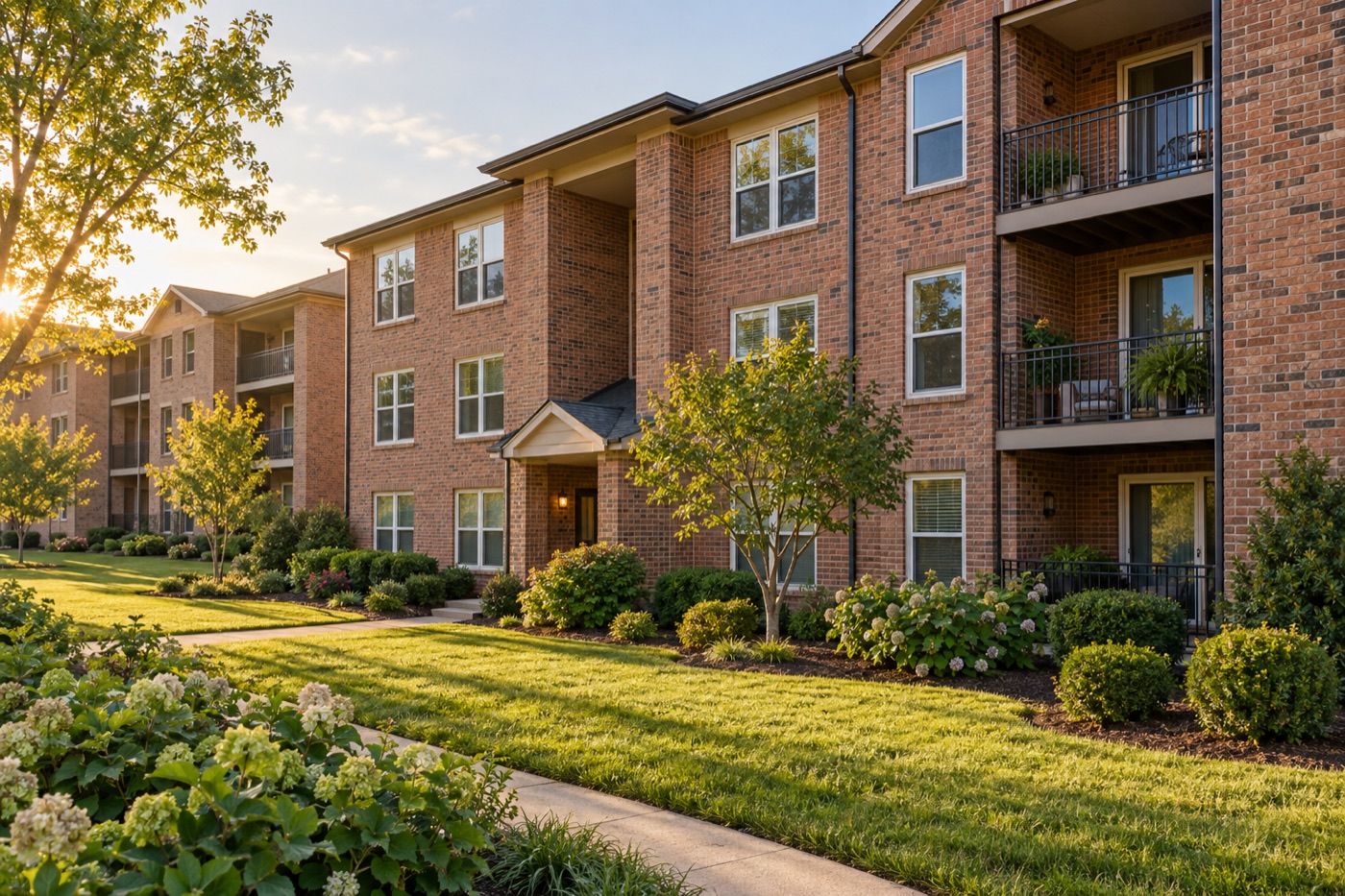
A bridge loan in commercial real estate lets an apartment owner fund a property that isn't ready for long-term debt yet, then refinance once occupancy and rents have stabilized. For multifamily, that long-term loan is often an agency or HUD-insured mortgage, and each has its own rules about what "ready" means.
So the smart way to plan a multifamily bridge loan is backward: start with the takeout loan you want, learn what it requires, and size the bridge to get you there.
Where multifamily bridge loans fit
Apartment buildings end up needing bridge financing for a handful of reasons:
- Value-add renovation. Unit interiors, common areas, or building systems need upgrading before rents can rise.
- Lease-up. A newer property, or one coming out of heavy vacancy, needs time to fill.
- Management turnaround. Collections, expenses or reputation have slipped and need fixing.
- Maturity. An existing loan comes due while the property is between stages.
In each case, today's income doesn't support the loan the owner wants. The bridge lender underwrites the plan instead.
Start with the takeout: HUD Section 223(f)
HUD's Section 223(f) program insures mortgages used to buy or refinance existing apartment properties. It is one possible long-term destination for a stabilized multifamily asset, and its rules show why a bridge loan is often needed first.
According to HUD's program description:
- The property must have at least 5 residential units with complete kitchens and baths.
- It must have been completed or substantially rehabilitated for at least 3 years before the application.
- Properties needing substantial rehabilitation are not eligible.
- The term can run up to 35 years, or 75% of the estimated remaining life of the improvements, whichever is less.
- For market-rate properties, the maximum loan-to-value for an acquisition or refinance is 83.3%.
Read those together and the picture is clear. A building mid-renovation, or one just delivered, can't go straight into a 223(f) loan. It needs somewhere to sit while the work finishes and the seasoning clock runs. That is the job of a bridge loan.
Bridge loan commercial real estate terms for apartments
Multifamily bridge terms vary by lender, but you'll see the same building blocks:
| Term | What it usually means for you |
|---|---|
| Loan sizing | Based on the business plan and projected value, not only current rents |
| Renovation holdback | Part of the loan is released as work is completed and inspected |
| Rate | Often floating, sometimes with a required rate cap |
| Payments | Frequently interest-only during the plan |
| Extensions | Available on some loans if performance tests are met, often for a fee |
| Recourse | Ranges from non-recourse with carve-outs to a personal guarantee |
| Exit | Refinance into agency, HUD or bank debt, or sale |
Ask for the extension tests and the holdback draw process in writing. Those two sections decide how much room you have when things run late.
Why lenders are looking closely at apartments now
Multifamily credit has softened in some pockets. According to Trepp data reported by Multifamily Dive, the multifamily CMBS delinquency rate was 7.69% in August 2026, unchanged from July, and the multifamily special servicing rate was 8.37%.
At the same time, the Mortgage Bankers Association's loan maturity survey found that 13% of mortgages backed by multifamily properties are scheduled to mature in 2026, a lower share than hotel, industrial or office loans.
What that means for an owner: bridge lenders are still active in apartments, but they are reading rent rolls, expense histories and renovation budgets more carefully than they did a few years ago. A plan built on optimistic rent bumps will get pushed back on.
Building a plan a lender will fund
A multifamily bridge request gets a better hearing when it answers these points up front:
The current picture
Trailing income and expenses, a current rent roll, occupancy history, and a candid explanation of why the property is where it is.
The business plan
Scope and cost of the renovation, unit by unit if possible. How long it takes. How many units are offline at once. What you expect rents to be after, and what that expectation is based on.
The exit
Which long-term loan you expect to refinance into, what it requires, and when the property will meet those requirements. If HUD 223(f) is the target, show when the seasoning requirement will be met.
The cushion
Reserves for delays, cost overruns, and a period of higher rates. Lenders want to know you can carry the property if the plan takes longer.
Hypothetical example: an owner buys a 100-unit apartment property for $12M with a bridge loan and plans a unit-by-unit renovation. The exit is a HUD 223(f) refinance. Because HUD requires at least 3 years since completion or substantial rehabilitation, and doesn't take properties that still need substantial rehab, the owner has to make sure the scope of work, the timing and the bridge term all line up with that rule before closing, not after.
Common mistakes
- Sizing the bridge too short. If the bridge matures before the property qualifies for the takeout, you're refinancing a bridge with another bridge.
- Ignoring the takeout's rules. Seasoning, repair limits and loan-to-value caps all shape how much the permanent loan can pay off.
- Thin reserves. Renovation schedules slip. Rate caps expire. Carrying costs keep going.
- Counting on an extension. Extension tests are real, and missing one can leave you short on time.
Getting the financing lined up
Northern Ridge Capital is a debt broker, not a lender. It works on multifamily and other commercial loans from $5M to $30M, and matches a property's plan with lenders whose programs fit it. Northern Ridge Capital's bridge loan page explains the process. It can't promise approvals, rates or closing timelines, and no one honestly can.
FAQ
What is a multifamily bridge loan?
It is short-term financing for an apartment property that isn't yet stable enough for long-term debt. It covers the renovation, lease-up or turnaround period, then gets paid off by a refinance or sale.
Can I go straight from a renovation into a HUD 223(f) loan?
Not always. HUD's program description requires the property to have been completed or substantially rehabilitated for at least 3 years before applying, and it excludes properties that still need substantial rehabilitation. Many owners use a bridge loan to cover that gap.
How much will a permanent loan pay off at the end of the bridge?
It depends on the program. For HUD 223(f), the maximum loan-to-value for market-rate acquisitions or refinances is 83.3%. The actual amount also depends on income and debt service tests.
Are bridge lenders still lending on apartments?
Yes, but with closer scrutiny. Recent CMBS data shows elevated multifamily delinquency, so expect detailed questions on rents, expenses and renovation budgets.
Plan the exit before you sign the bridge loan. For apartment owners, a bridge loan in commercial real estate works best when its term, budget and business plan are all built around the long-term loan waiting at the end.