Apartment Building Loan Types: Who Lends and How They Differ
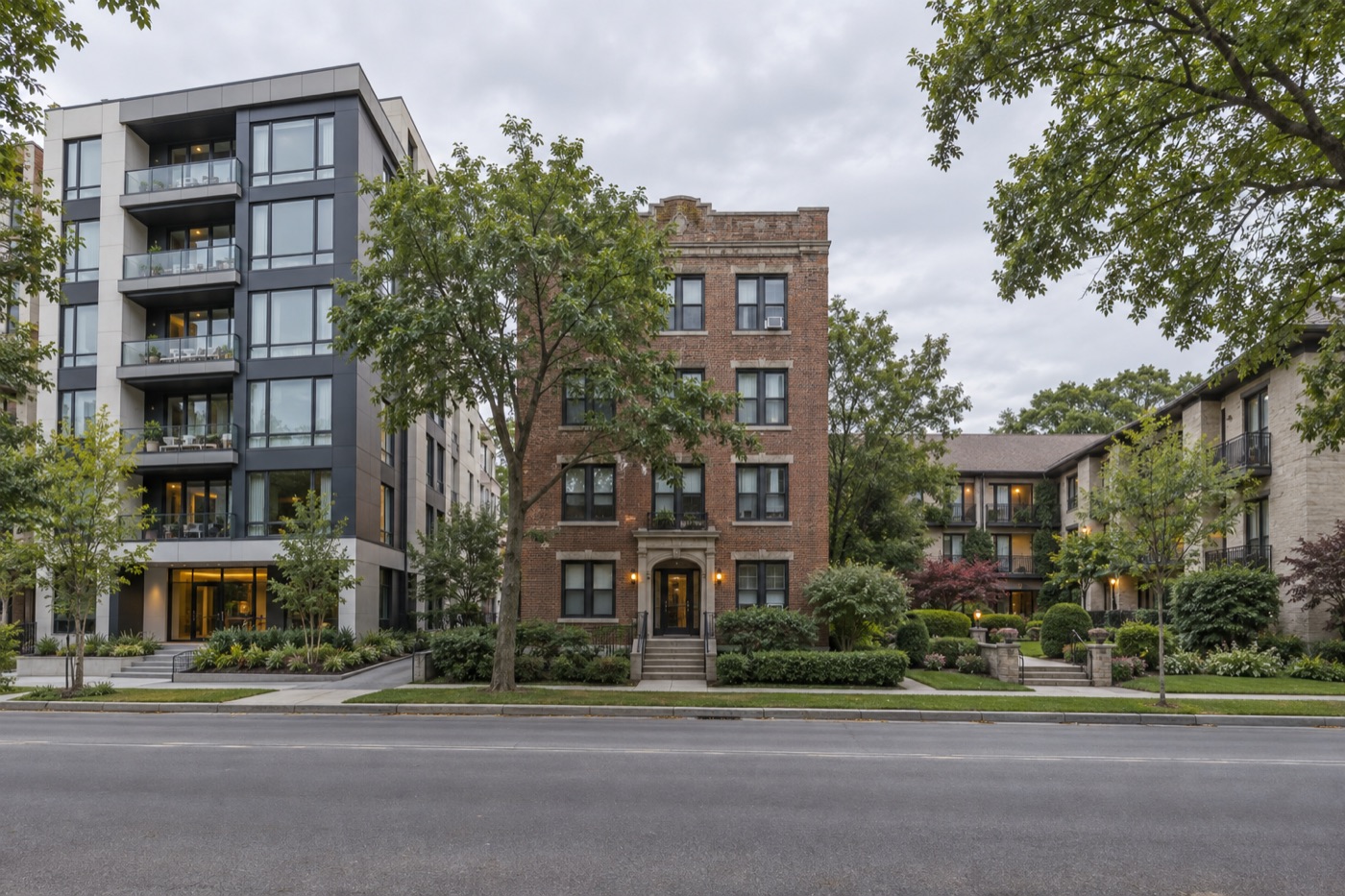
An apartment building loan can come from several very different kinds of lenders: government-sponsored agencies, banks, life insurance companies, CMBS lenders, HUD-insured programs and short-term bridge lenders. Picking the right one depends less on the rate you see advertised and more on your property's condition, your plans for it and how much flexibility you need.
Here's how the main sources compare, what they all look at, and how to choose.
Where apartment building loan money comes from
Multifamily is one of the largest parts of commercial real estate debt. According to Mortgage Bankers Association figures reported by National Mortgage News, multifamily mortgage debt outstanding reached $2.32 trillion at the end of the first quarter of 2026. Agencies and government-sponsored enterprises held about half of it, at $1.2 trillion. Banks and thrifts held $665 billion, or 29%.
Those two groups dominate, but they're not the only choices, and the biggest source isn't always the best fit for a given building.
The main apartment building loan types compared
This table is a general guide. Every lender has its own rules, and terms change with the market.
| Loan source | Typical fit | Strengths | Trade-offs |
|---|---|---|---|
| Agency (GSE) | Stable, well-occupied properties | Long fixed terms, often non-recourse | Strict reporting, prepayment penalties |
| Bank or thrift | Local owners with a banking relationship | Flexibility, faster decisions on simple deals | Shorter terms, often recourse |
| Life insurance company | Low-leverage, high-quality buildings | Competitive pricing for strong assets | Narrow eligibility |
| CMBS | Owners who want non-recourse, fixed terms | Less focus on sponsor size | Rigid servicing if problems arise |
| HUD 223(f) | Long-term holds of stable property | Long amortization | Longer process, program rules |
| Bridge lender | Properties in lease-up or renovation | Lends on the plan, not just today's income | Higher cost, needs a second refinance |
Agency loans
Agency lenders favor stable buildings with steady occupancy and clean financials. They tend to be the default choice for a well-run property that the owner plans to hold.
Bank loans
Banks often know the local market and may be more flexible on unusual situations. The trade-off is usually a shorter term and a personal guarantee. The Federal Reserve's July 2026 Senior Loan Officer Opinion Survey found that modest net shares of banks eased standards on multifamily loans in the second quarter of 2026, while demand was basically unchanged.
HUD-insured loans
HUD doesn't lend directly. Under Section 223(f), it insures lenders against loss on mortgages used to buy or refinance existing multifamily rental housing, with terms up to 35 years, according to HUD. The property must have been completed or substantially rehabilitated for at least 3 years before applying. In FY2024, HUD insured 161 projects with 21,343 units under the program, totaling $2.8 billion.
Bridge loans
Bridge lenders fill the gap when a building isn't ready for long-term debt. They lend against a business plan and expect to be repaid by a refinance or sale.
What every lender looks at
Whatever the source, underwriting comes back to a few basics.
- Net operating income. What the building actually earns after operating expenses.
- Debt service coverage. How comfortably that income covers the loan payments.
- Loan to value. How much you're borrowing compared with what the property is worth.
- Condition. Roofs, systems and deferred maintenance show up in third-party reports.
- The sponsor. Your experience, your net worth and liquidity, and how your other properties perform.
Hypothetical example: A building earns $1,000,000 a year in net operating income, and the proposed loan has annual payments of $800,000. Divide the income by the payments and the debt service coverage is 1.25. A lender whose minimum is higher than that would offer a smaller loan. These round figures are illustrative only, not market data or any lender's actual requirement.
How to choose
Start with your plans, not the rate sheet.
- How long will you hold? A long hold points toward long fixed terms. A likely sale in a few years points toward flexible prepayment.
- Is the building stable today? If not, permanent lenders may size the loan on income you're not proud of. A bridge may be the better first step.
- Do you want recourse? Some owners accept a guarantee for flexibility. Others won't sign one.
- How much paperwork can you handle? Some programs require detailed ongoing reporting.
Talking to only one lender tells you what that lender wants. Comparing several tells you what the market will do.
Where a broker fits
Northern Ridge Capital is a debt broker, not a lender. We work on loans from $5M to $30M and compare options across lender types for owners who don't want to shop each one on their own. See how we approach financing an apartment building. We don't promise approval, rates or closing timelines.
FAQ
What is the most common source of apartment building loans?
By dollars outstanding, agencies and GSEs. MBA data reported by National Mortgage News shows they held about half of multifamily mortgage debt at the end of the first quarter of 2026.
Does HUD lend money directly?
No. HUD insures loans made by approved lenders under programs such as Section 223(f).
Is a non-recourse loan always better?
Not always. Non-recourse loans limit your personal liability but can come with stricter terms and less flexibility. It depends on your plans and risk tolerance.
How do I know which apartment building loan is right for me?
Match the loan to the property's condition and your hold period, then compare offers from more than one type of lender. The right apartment building loan is the one whose terms fit your plan, not the one with the lowest headline rate.